

Article · Gilan
A Short History of Tea in Iran
· 1 min read
Contrary to what you might expect, tea doesn't have a long history in Iran; it's been grown in the gardens of the north for less than a century and a half. Before that, coffee was the more common drink, and tea reached Iran mainly through trade with India and China.
Kashef al-Saltaneh and Tea's Arrival in Iran
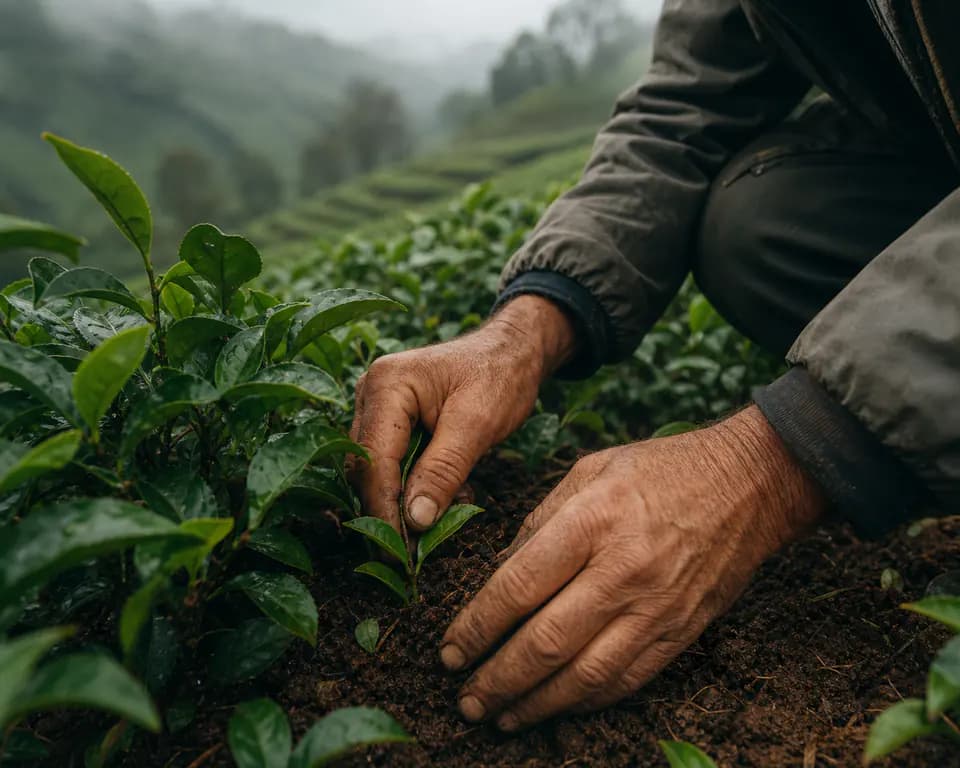
The well-known account of tea's arrival in Iran credits Mohammad Mirza, known as Kashef al-Saltaneh, as the founder of tea cultivation in the country. During the Qajar era, he served as an Iranian diplomatic representative in India, where he learned the process of growing and processing tea. According to historical accounts, he brought tea saplings back to Iran and planted the first gardens in Gilan — a region whose humid climate suited tea cultivation.
Gilan, the Heart of Iran's Tea Growing
From those first gardens to today, Gilan and parts of Mazandaran have become the heart of Iran's tea-growing region; the foothill climate, steady rainfall and suitable soil made it an ideal place for the tea bush to thrive. Generations of farmers since then have built on the knowledge Kashef al-Saltaneh introduced, and Iranian tea gradually found its own identity.
Today, tea is no longer just an agricultural product — it's part of Iranian hospitality and everyday life. Sehreh's gardens sit within that same history too, in Langarud, on the same land where Iran's first tea bushes took root over a century ago. Sehreh's Premium Black Tea carries those same roots forward.